
Quick answer
Your first NTE check is the current story and objective prompt in the live client, rather than a supposedly universal route. Official NTE material places you in Hethereau with Eibon and its Anomaly commissions, and documents exploration, combat, and progression systems; it does not establish one permanent first-session order, team, route, or upgrade plan for every account. Understand the system currently in front of you before acting on an old external recommendation.
Start with the live objective, not a universal route
Why current prompts and requirements matter
The live client is the authority for the exact order of objectives, prompts, requirements, and currently available systems on your account. Official Version 1.3 notes show that NTE can add and adjust story content, commissions, activities, and progression guidance. A route written for another version can describe a system without being the correct next step for you.
The Neverness to Everness guides hub collects the current NTE starting points and focused follow-up Guides.
For your first sessions, read the objective and any requirement shown in the game before deciding what to do next. This is not an instruction to optimise every choice immediately. It is a way to avoid treating an old mission path, event task, or external recommendation as a permanent rule.
If your immediate question is about regions, platforms, or keeping progress across devices rather than in-game orientation, use our NTE server choice and PWG Account guide. Server and account setup are a separate decision from learning the systems currently presented in Hethereau.
Understand the Hethereau and Eibon context
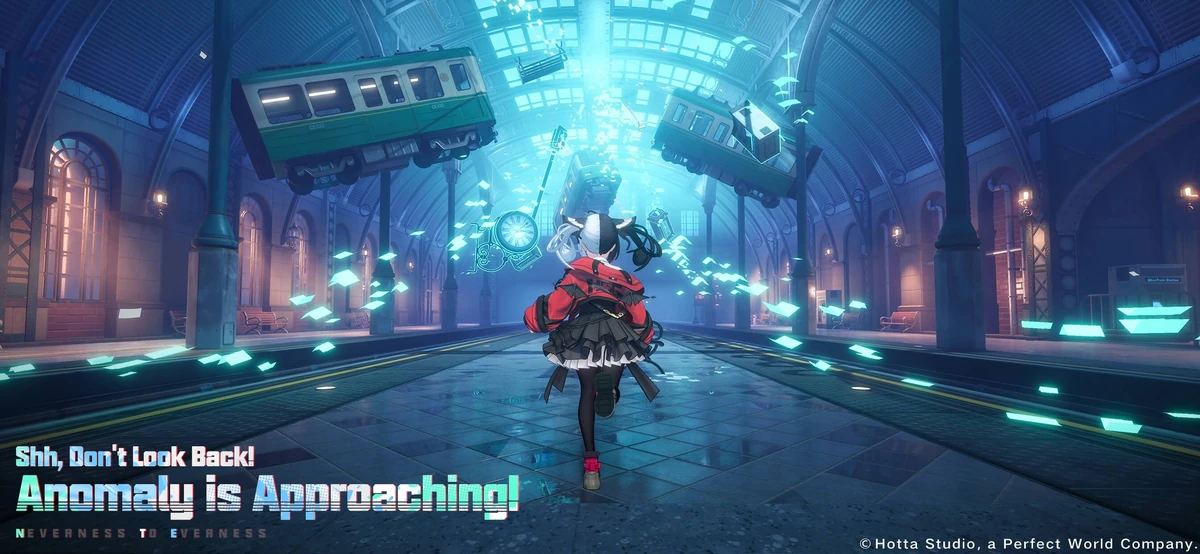
Official NTE material describes the player as Hethereau’s first unlicensed Anomaly Hunter, joining Eibon, an antique shop that takes Anomaly commissions. That context helps explain why the client can introduce story material, city activities, companions, and commission-related systems.
It does not establish a numbered opening sequence. Do not assume that a named commission, story beat, or activity shown in a patch note is the first task every new account should complete.
What Anomaly commissions mean at orientation level
Anomaly commissions are part of the game’s documented premise, and the official Version 1.3 notes include version-specific additions to them. At the beginner-orientation level, the useful point is simply to recognise the term when the live client introduces it.
This guide does not provide a first commission, an unlock condition, a route, a reward claim, or an exploration strategy. For focused, source-qualified context on that separate question, see our NTE Anomaly Commissions and early exploration guide.
Explore without assuming a required route
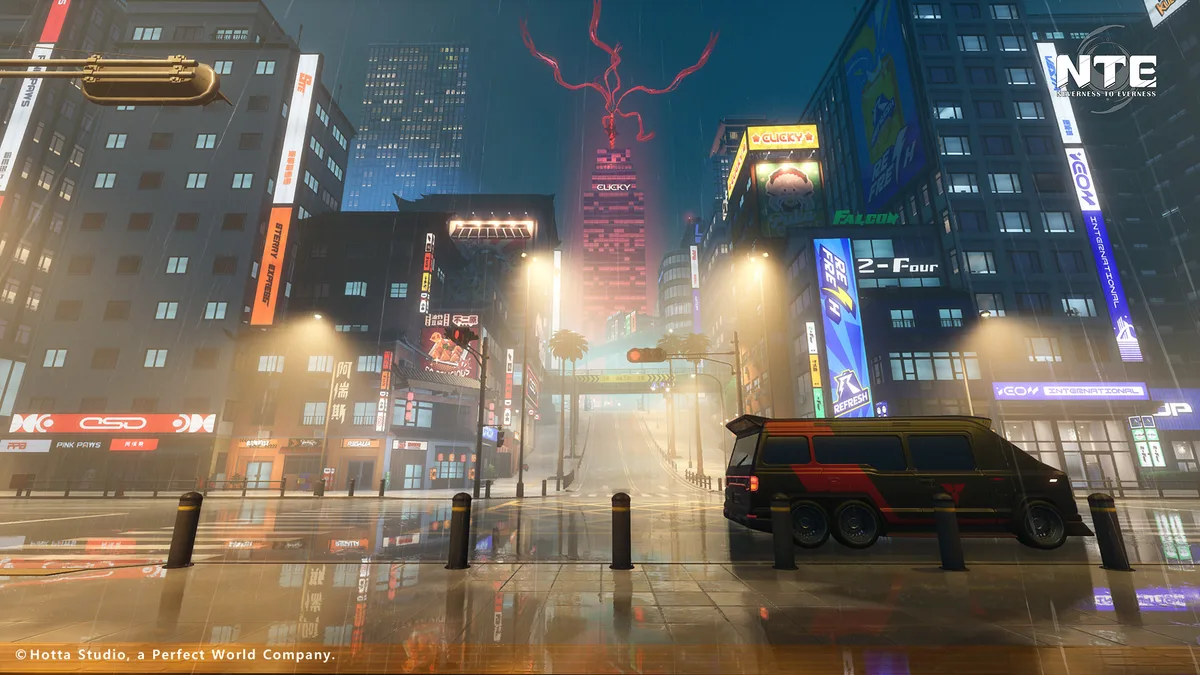
NTE’s official storefront presents Hethereau as a supernatural urban open world with shops, factions, side stories, transport, and other activities. Exploration is therefore part of the setting and game context.
Should beginners explore or fight first? Neither is confirmed as a universal first priority. The official sources reviewed for this guide do not establish a first district, a required route, a collectible path, or an exploration-first strategy. Let the current objective and client guidance determine what comes next.
Combat, characters, and early decisions
Use the combat guidance currently presented by the live client
NTE is listed as an action role-playing game. The official Version 1.3 notes also mention a combat tutorial connected to the character Zankou. That character-specific reference does not establish a general first-session flow, a required combat sequence, or a recommended rotation for every new player.
Use the combat guidance currently presented by the live client. Learn the controls and prompts it shows on your account before copying an advanced routine from an undated guide. This article does not recommend a rotation, enemy order, named character, weapon, or combat priority.
Do not turn a character screen into a team recommendation
Current official NTE notes refer to progression surfaces for Characters, Arcs, Consoles, and Modules. Their upgrade flow can change with the live version, but their presence does not establish a best beginner character, team, Arc, weapon, reroll path, or investment threshold.
When should I start building a team? The official sources reviewed here do not define one universal timing or team for beginners. Treat a specific team decision as an activity- and version-specific question, rather than a conclusion to draw from seeing an early character or progression screen.
Progression decisions: check the current requirement first
When a current objective, system prompt, or menu presents an upgrade or spending decision, read the live requirement before committing resources. NTE’s Version 1.3 notes show that character and progression interfaces can be updated, including guidance around Characters, Arcs, Consoles, Modules, and Ascend materials.
This is a GoldCrit editorial safeguard, not a publisher-issued economic rule. It does not mean “save everything,” “spend immediately,” “farm one resource first,” or follow a universal upgrade order. It means understanding the current decision before applying a dated resource or team recommendation.
Early mistakes to avoid
These are editorial decision mistakes, not publisher-issued warnings:
- Following an old mission route as if it were permanent. Use the current objective and requirement shown by your client.
- Treating a temporary event or limited activity as evergreen progression. Live-service content can have conditions and dates that do not apply to every account.
- Turning a character-specific combat tutorial into universal advice. A tutorial tied to one character does not establish a general beginner combat flow.
- Following an undated team or resource recommendation. A character, system, or interface can change; a specific strategy needs current context.
- Confusing account or server setup with in-game orientation. Resolve the account/server question separately before assuming it determines the next activity inside the game.
A first-session checklist
First-session checks
Use these checks, not a mandatory route
- Read the current story and objective promptUse the live client to understand the task, requirement, and system currently available on your account.
- Recognise the Hethereau and Eibon contextKnow that Eibon and Anomaly commissions are part of NTE’s documented premise without assuming a particular commission is next.
- Explore as context, not a prescribed pathHethereau includes urban activities and side stories, but no official source reviewed here establishes one required first route.
- Use the combat guidance currently presentedA character-specific tutorial is not proof of a universal beginner combat flow; use the prompts your live client actually shows.
- Separate progression surfaces from team strategyCharacters, Arcs, Consoles, and Modules are decision surfaces, not a best-team recommendation.
- Check the current requirement before committingRead the live requirement before an upgrade or spending decision; this is a safeguard, not a universal save-or-spend rule.
These checks are deliberately unordered. They may appear at different moments and in different sequences on different accounts. Use them to understand the game in front of you while the live client determines the actual order.
Where to go next in Neverness to Everness
Once account and server setup are clear, return to the current objective for your account. Detailed Anomaly Commission and early-exploration guidance, a versioned team strategy, broader NTE game context, alternatives, and the NTE-versus-Endfield comparison should be added only when their relevant pages are live and have current evidence.