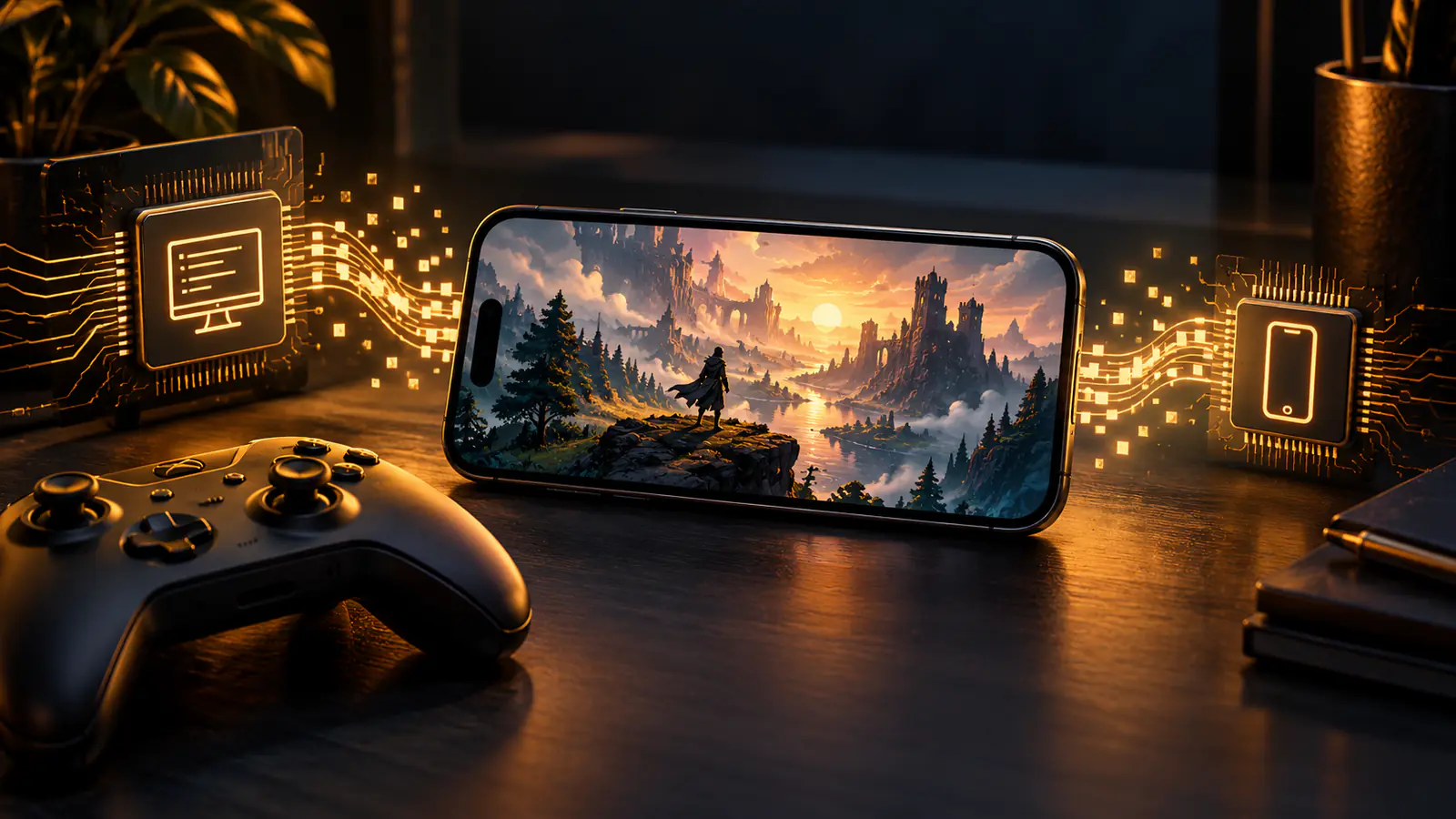
Windows PC games are appearing on iPhone through PlayPort, an experimental project that runs selected titles locally rather than streaming them from a computer. That makes the demos intriguing, but it does not turn an iPhone into a plug-and-play PC handheld: installation, compatibility, and hardware limits still matter.
The project drew fresh attention in a Windows Central report published October 21. For players deciding whether to try it, the key distinction is that “running on iPhone” describes a translation layer—not a native iOS port of each game.
What PlayPort actually does
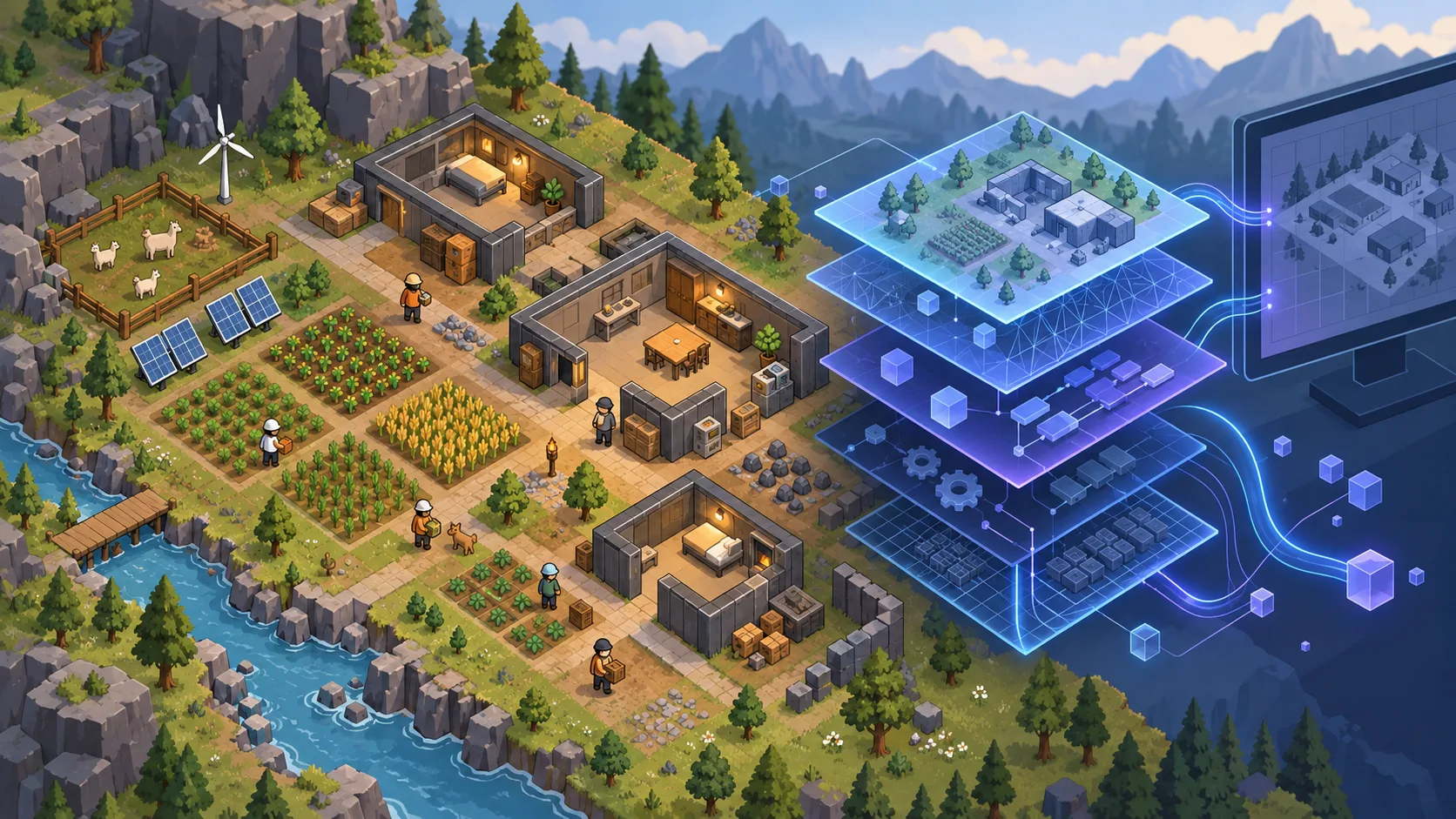
PlayPort combines software that translates parts of the Windows gaming stack for Apple hardware. Its project materials describe Wine for Windows compatibility, FEX for translating x86 instructions to ARM, and graphics translation through DXMT and Metal. The game runs on the phone; this is not cloud streaming, and it is not the same as a developer releasing an iOS version.
Windows Central’s report highlights games including Portal 2, Hollow Knight, and The Witcher 3. Those examples show what the project is attempting, not a promise that every PC game—or every iPhone—will work equally well. PlayPort maintains an Official compatibility list with game-specific results, which is a more useful starting point than assuming an entire Steam library is supported.
For a concrete performance example, PlayPort’s developers report Portal 2 at about 60 FPS at 720p in the PlayPort 0.3.0 release notes. A five-minute run averaged 58.4 FPS; the developers also report that after a 95-minute session the phone warmed and the game ran at about 50 FPS. Those are results from the project’s test setup, not a performance guarantee for other games or iPhones.
The project’s Official release history also shows this is still moving quickly: version 0.4.0, released October 8, added support paths for GOG, Epic Games, and local DRM-free game files. That broadens where compatible files may come from, but it does not remove the need to check each title or supply games you are entitled to use.
The setup is the biggest caveat
PlayPort is not a regular App Store install. Its Official setup information describes sideloading: installing the app’s .ipa package from outside Apple’s store. The project setup guide says a computer is required for that first installation. The developers also say a free Apple ID signs the app for seven days, so it must be re-signed weekly. After the initial install, whether that refresh needs a computer depends on the sideloading tool: SideStore can refresh on the iPhone, while AltStore uses AltServer on a computer.
Just-in-time (JIT) compilation lets PlayPort translate PC instructions while a game runs. Because iOS restricts JIT, PlayPort’s setup uses pairing and a helper to enable that runtime step. That extra setup is part of the trade-off for running selected PC games outside the App Store.
The tested hardware and software base is narrow, too. PlayPort’s Project documentation identifies testing on an iPhone with an A19 Pro chip running iOS 27.0; it describes Portal 2 as the only tested 32-bit game and Vulkan support as experimental. The project also warns that heat can reduce frame rates and that memory limits may affect results. Those are meaningful constraints, not footnotes: performance can vary by game and session, and the current test device does not establish broad compatibility across iPhone models.
What PC players should expect
PlayPort is best understood as a technical preview with a growing, game-by-game compatibility effort. It may appeal to players comfortable with sideloading and troubleshooting, but it is not yet a dependable replacement for a Windows handheld, a gaming PC, or a native mobile port. Readers following the broader evolution of PC libraries can also see GoldCrit’s feature on why PC gaming’s long tail matters.
Before spending time on setup, check PlayPort’s compatibility entry for the exact game, review the current device requirements, and treat reported results as provisional. The project’s progress is notable; the practical takeaway for most players is simply to keep expectations measured until testing covers more hardware and more titles.