Quick answer
Official Rise of Kingdoms listings describe alliances as a social and coordination layer with mutual help, translated live chat, officer roles, map indicators, territory context, and group objectives. The reviewed sources do not set one universal time to join or an official “join the strongest alliance” rule. Check current membership, role, and event conditions in the live client before participating.
What an alliance is in Rise of Kingdoms
An alliance is more than a chat label in the official description. Lilith’s current Google Play and App Store listings describe a set of player-to-player and map-coordination features.
Help, communication, roles, and coordination
The official listings say alliance members can help one another. They also describe live chat with built-in translation, officer roles, and map indicators used to coordinate strategies.
That gives a new player a safe starting definition: alliances are a social and coordination layer connected to the wider map. It does not establish an exact help timer reduction, help cap, list of actions affected, role name, role permission, leadership hierarchy, or daily participation routine. Read the current client before treating any of those details as fixed.
Should a beginner join an alliance?
The reviewed official sources show that alliances provide social and coordination functions, but they do not establish one universal joining deadline. They also do not provide a ranking rule, power threshold, or universal “strongest alliance” recommendation.
For that reason, GoldCrit does not tell every beginner to join immediately, wait for a stated city level, or target an alliance based on a generic ranking. Read the current membership option and decide whether the available activity matches what you want to do in the game.
If you are still sorting out the broader city, map, scouting, commander, and alliance systems, start with our Rise of Kingdoms beginner guide. It explains how those early surfaces fit together without turning any one of them into a universal progression order.
What official sources confirm — and what they do not
| Officially described alliance context | What this guide can safely say | What this guide does not claim |
|---|---|---|
| Mutual help, translated chat, officer roles, and map indicators | Alliances have documented social and coordination functions. | An exact help value, role permission, member cap, or required routine. |
| Territory, passes, barbarian outposts, and group achievements | Alliance activity can have map and group-objective context. | A territory route, flag/fort plan, pass priority, teleport plan, or resource strategy. |
| Players coordinating around map battles and alliance armies | Coordinated map activity exists in the official feature description. | A rally procedure, commander recommendation, troop composition, target priority, or timing plan. |
Alliance territory and map context
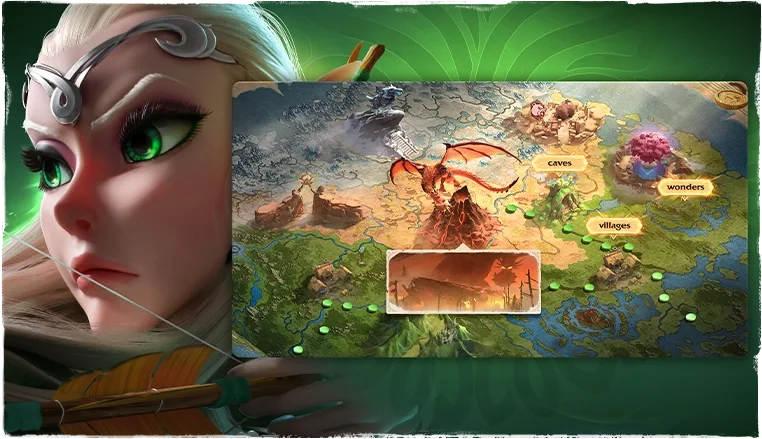
The official listings say alliances can expand territory to gain resources, capture mountain passes and barbarian outposts to strengthen their position, and work together toward group achievements.
This is orientation only. It explains why alliance activity can appear on the map; it is not territory strategy. The reviewed sources do not establish where to expand, when to capture a pass, how to place a structure, where to teleport, or which map target should be prioritised.
Why this is not a territory or pass strategy guide
Territory, passes, and coordinated map actions can raise map-navigation questions that are separate from alliance fundamentals. If that becomes your next question, use our Rise of Kingdoms map, marches, and scouting beginner guide for the documented map layer without treating it as a route or target plan.
Coordinated actions and group objectives
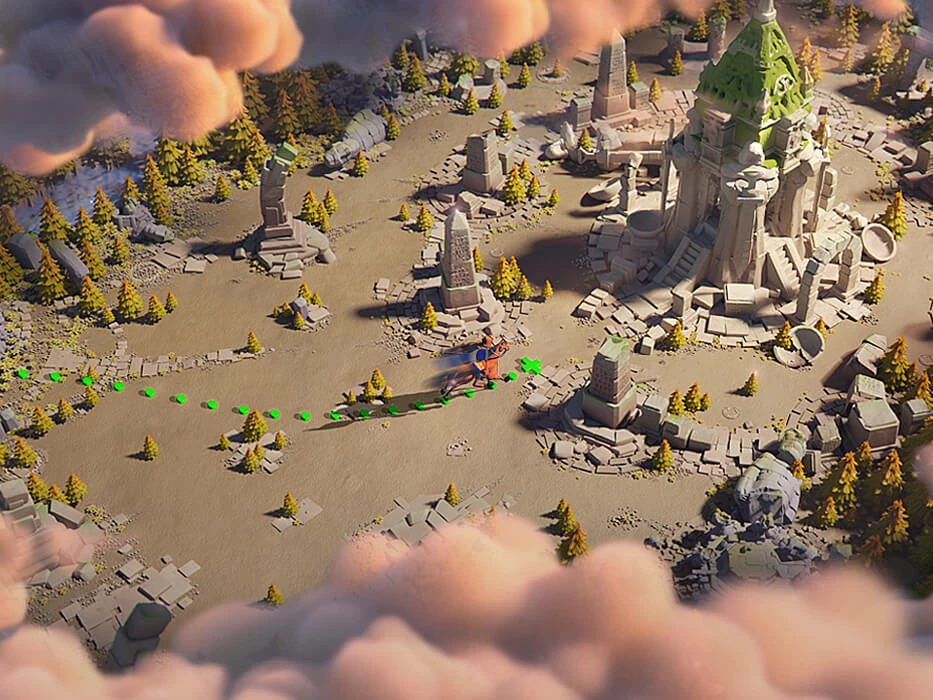
Lilith’s official store descriptions say that players can join or leave real-time map battles and can meet an alliance army while acting on the map. The alliance description also refers to group achievements.
This supports a narrow beginner point: alliance participation can involve coordination with other players around shared map activity. It does not turn coordinated actions into a rally guide, a PvP plan, commander advice, troop-composition advice, or a recommendation to attack a particular target.
System orientation, not rally or commander advice
The reviewed official material does not give this guide a current rally setup, target requirement, troop mix, commander choice, timing rule, or event reward. Treat any outside advice that makes one of those claims as a separate, current, goal-specific question rather than a basic alliance fact.
What to verify in the live client before participating
Membership, roles, events, and map activities can have conditions that vary by account, kingdom, season, or activity. Current App Store release notes also direct players to in-game information for event availability and details.
Before acting on an alliance prompt, read the current requirement, permission, target context, or event notice shown by your own client. This is especially important before assuming a current event uses the same eligibility, reward, schedule, or participation rule as an older event or guide.
Membership, roles, events, and requirements
- Membership: check the live application or joining conditions instead of relying on a claimed universal deadline or power target.
- Roles: the official listings confirm that officer roles exist, but the current client is the authority for their names and permissions.
- Alliance help: the official listings confirm that members can help one another; they do not establish a timer reduction, cap, or complete action list in the reviewed evidence.
- Donations, technology, buildings, and rewards: these may appear in alliance interfaces, but the reviewed official sources do not document enough current procedural detail for this guide to explain their values, priority, costs, or reward rules.
- Events: read each live event’s own notice. A dated event example is not a permanent eligibility rule.
Common alliance misunderstandings
These are GoldCrit editorial safeguards, not publisher warnings:
- Treating an alliance as only a chat group. The official listings also describe help, roles, map indicators, territory context, and group achievements.
- Treating “join immediately” as an official rule. The reviewed official sources do not set a universal joining time.
- Treating “join the strongest alliance” as a documented rule. The reviewed evidence does not provide a ranking rule, power threshold, or universal selection heuristic.
- Copying old territory, teleport, flag, fort, or pass advice. The official source set supports territory context, not a current territory strategy.
- Assuming help or contribution mechanics create one optimal priority. This guide does not verify current values, caps, rewards, or a daily routine.
- Turning coordinated actions into commander, troop, rally, or target advice. The official descriptions establish system context only.
- Assuming every alliance event has the same eligibility. Check the live event notice and current client conditions.