Quick answer
A practical Rise of Kingdoms opening begins with the current tutorial’s version of the city, map, scouting, gathering, commander, and alliance systems—not with a copied universal build order. Lilith documents all of those systems, but the sources checked for this guide do not establish one permanent first-upgrade path, commander pick, or City Hall rule for every new account. Use the client’s live requirements to guide each decision.
Start by understanding the current onboarding
The city, commanders, map, and alliance systems
Rise of Kingdoms: Lost Crusade connects city development with activity on a shared world map. Lilith’s official store descriptions also document choosing a civilisation, sending scouts into a fog-covered map, gathering nearby resources with troops, commanders with skills and talent trees, and alliance features such as communication, markers, roles, territory-related systems, and cooperative objectives.
For a single index of the live system coverage, use the Rise of Kingdoms guides hub.
That is a lot to see at once, but you do not need to optimise every system in your first session. Start by recognising what the current client is asking you to do and what type of decision it represents:
- City development is the building and prerequisite side of the game.
- Commanders support different activities and have their own experience, skills, and talent trees.
- The world map is where scouting, exploration, resource activity, and battles take place.
- Alliances are the game’s social and cooperative layer.
This framework is more useful than treating every early task as a race. It helps you know which question to ask before spending resources or relying on outside advice.
Why this guide does not use a universal build order
The live tutorial is the authority for the order in which current tasks, prerequisites, and interfaces appear on your account. GoldCrit did not find an official public walkthrough that sets out one complete, current tutorial sequence for every player.
That is why this guide gives you concrete first-session checks rather than a “do this, then this” route. A named building rush, a universal commander ranking, or a fixed resource plan can become outdated when the client, event calendar, commander pool, or requirements change.
Your first upgrade decisions
Check the current in-game requirements before committing resources
City development is an official part of the Rise of Kingdoms loop. When the client presents a building or city task, read the requirements and the result shown in the current interface before committing resources.
This does not mean every building is equally important, or that every player should make the same choice. It means the requirement shown in your current client is more reliable than an old external checklist that may refer to a different version or account state.
What we can and cannot confirm about City Hall early
The official sources reviewed for this guide do not establish “upgrade City Hall first” as a universal beginner rule. For a new account, use the current in-game requirements to understand what each city task needs and unlocks.
Do not assume that a City Hall-first claim, a level target, or a resource plan from an older guide applies to your current situation.
Commanders: choose a goal before choosing a strategy
Lilith describes commanders as gaining experience through barbarian encounters and other battles. The official listing also describes commander skills and talent trees, as well as the ability to divide forces among multiple commanders for simultaneous actions.
For a beginner, that is enough to make one useful distinction: a commander decision should match an activity you actually plan to do. A player looking at the map, gathering, or battles may eventually need different guidance.
Do not let a generic “best commander” list choose that goal for you. This guide does not recommend a named commander, talent path, civilisation, troop type, or investment amount. A current, goal-specific gathering commander strategy belongs in a separate guide after its own research refresh.
Learn the map and scouting basics before optimising them
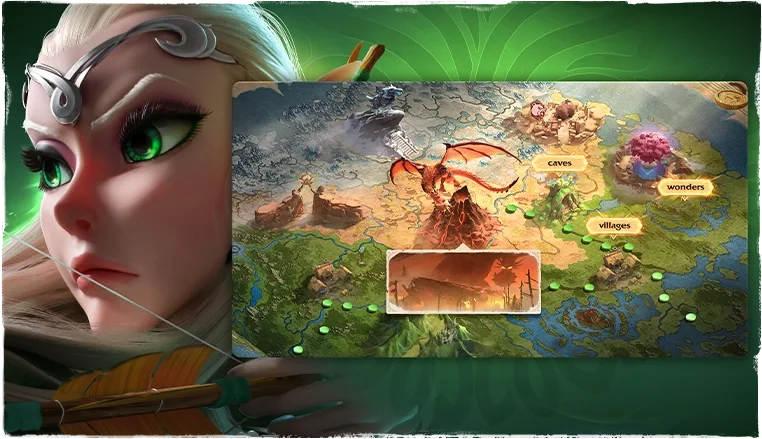
Lilith’s official description says the world map is covered in fog and that players can dispatch scouts to explore it. It also names locations such as lost temples, barbarian fortresses, mysterious caves, and tribal villages as exploration or investigation context.
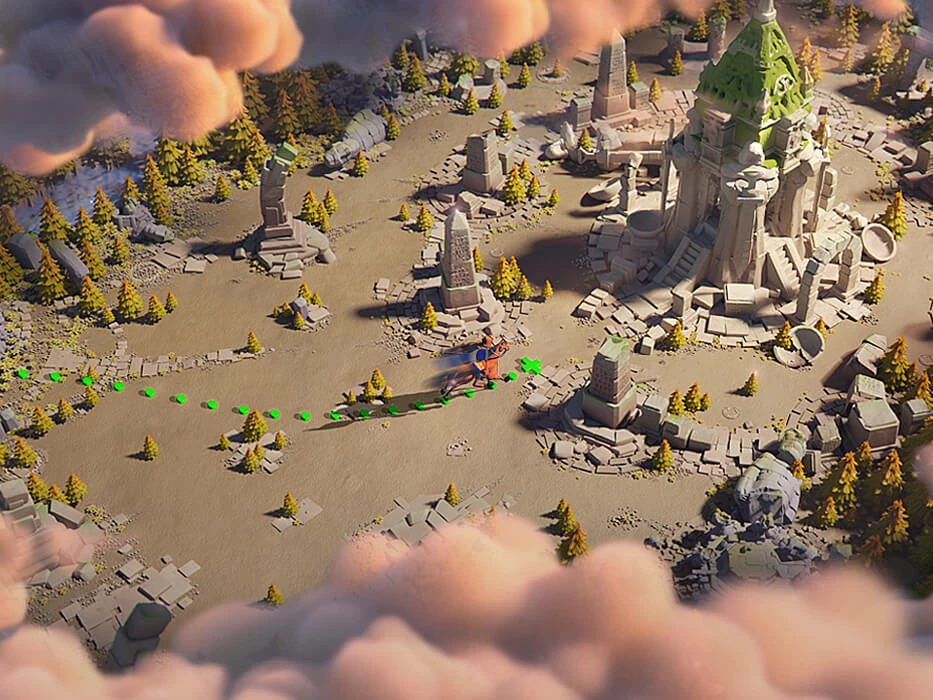
So a useful early action is to open the map, recognise unexplored fog, and use scouting when the current client makes it available. You do not need an externally prescribed scout route to understand the system.
The official material does not give this guide a current first-location recommendation, scout timing, reward list, march count, or optimal exploration route. Those detailed mechanics belong in our Rise of Kingdoms map, marches, and scouting beginner guide.
Consider the alliance decision early
Lilith documents alliances as more than a chat list: official descriptions include officer roles, translated communication, map markers, territory-related systems, and cooperative objectives.
That makes an alliance a useful system to understand early, especially if you expect to use social or cooperative features. It does not mean every new player should join one immediately. The official material reviewed for this guide does not establish a universal joining time, current requirements, or a guaranteed early benefit.
Before committing, look for the current in-game information about the alliance option you are considering. Our Rise of Kingdoms alliances guide explains the documented roles, territory context, participation boundaries, and event-related checks without turning them into a universal strategy.
Gathering and marches: the safe beginner boundary
Lilith’s store descriptions give a clear example of a map action: troops can be sent to collect lumber from a nearby forest. The same descriptions say forces can be split among multiple commanders so that several actions can happen at once.
That supports a practical first-session habit: recognise gathering as a documented map activity, and recognise that commander choices can affect how you organise simultaneous actions. It does not establish which resource should come first, how many marches you should use, which commander should gather, or what efficiency target you should chase.
Should beginners fight or gather first? Both are documented parts of the game. Your current tutorial, available tasks, and immediate goal should determine which activity you explore first; GoldCrit does not present one as a universal winner.
Early mistakes to avoid
These are decision mistakes to avoid, not official Lilith warnings:
- Following an old universal build order as if it were current. Check the requirements in your own client before spending resources.
- Treating a City Hall-first rule as a proven rule for every account. The official sources used here do not establish that claim.
- Investing because a ranking says a commander, civilisation, or talent path is permanently best. Look for advice that states its goal, version, and limits.
- Assuming a generic map or gathering tip applies to every current situation. Scouting, marches, resources, and events can have their own conditions.
- Using old event or reward information as if it were current. A date and an official source matter before you act on a reward claim.
- Treating alliance timing as identical for every player. Learn the current system and choose based on the activity you want to take part in.
A first-session checklist
First-session checks
Use these checks, not a mandatory build order
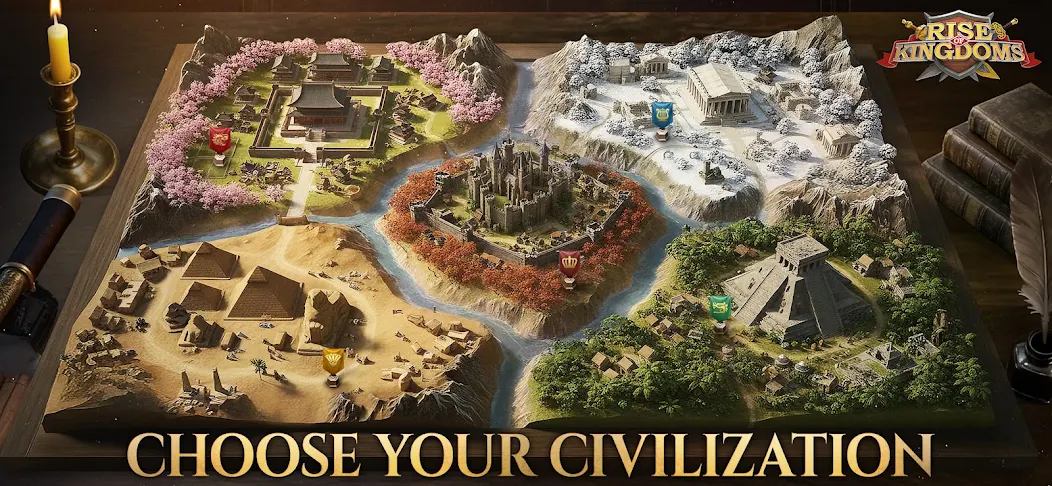
- Review the current civilisation and city choiceRead what the client presents before committing resources or following an outside recommendation.
- Read the live city-task requirementsUse the current interface to understand what a building task needs and what it leads to.
- Open the world mapRecognise unexplored fog and the map as the place for scouting, exploration, gathering, and battles.
- Dispatch scouts when availableUse the documented scouting system when the client offers it; do not assume an optimal route or reward.
- Try the documented gathering action when availableSend troops to a nearby resource activity without assuming one resource is always the priority.
- Understand the commander layerCommanders gain experience and use skills and talent trees; save specific investment choices for current, goal-specific guidance.
- Learn what the alliance option means for youUnderstand the social and cooperative system before treating it as an immediate requirement.
The items above are deliberately unordered. They may not all appear at the same time or in the same sequence for every account. Use them as a set of first-session checks while the live tutorial and current requirements determine what is available next.
Where to go next in Rise of Kingdoms
More Rise of Kingdoms resources will be connected only when they are published and add a useful next step.
If you are still choosing between a historical city-and-map strategy game and a Star Trek starbase-and-fleet game, read our Rise of Kingdoms vs Star Trek Fleet Command comparison. It compares the documented systems without declaring a universal winner.