Onimusha: Way of the Sword is a strong recommendation for players who want an action game built around committed, readable sword duels. The clearest agreement in current criticism is that Capcom’s revival gets the feeling of a clash right: timing, counters, bosses, and a protagonist who can carry a theatrical samurai-horror adventure. The more conditional answer is that the campaign around those fights may not maintain the same focus.
That distinction matters more than a review-score average. A game can have an excellent combat language and still ask too much patience between its best encounters. For a player who wants to learn an action system, that trade-off may be easy to accept. For someone who needs exploration, optional tasks, and story progression to introduce a fresh idea at the same rate as the fights, it is the part to examine before buying.
Capcom positions the game as a new entry rather than a continuation that requires series homework: its official material places Miyamoto Musashi in early Edo-period Kyoto, facing the Genma with the Oni Gauntlet. The current Steam listing confirms the PC storefront. That is a useful starting point, but it does not answer whether the return works as an action game. The review evidence does.
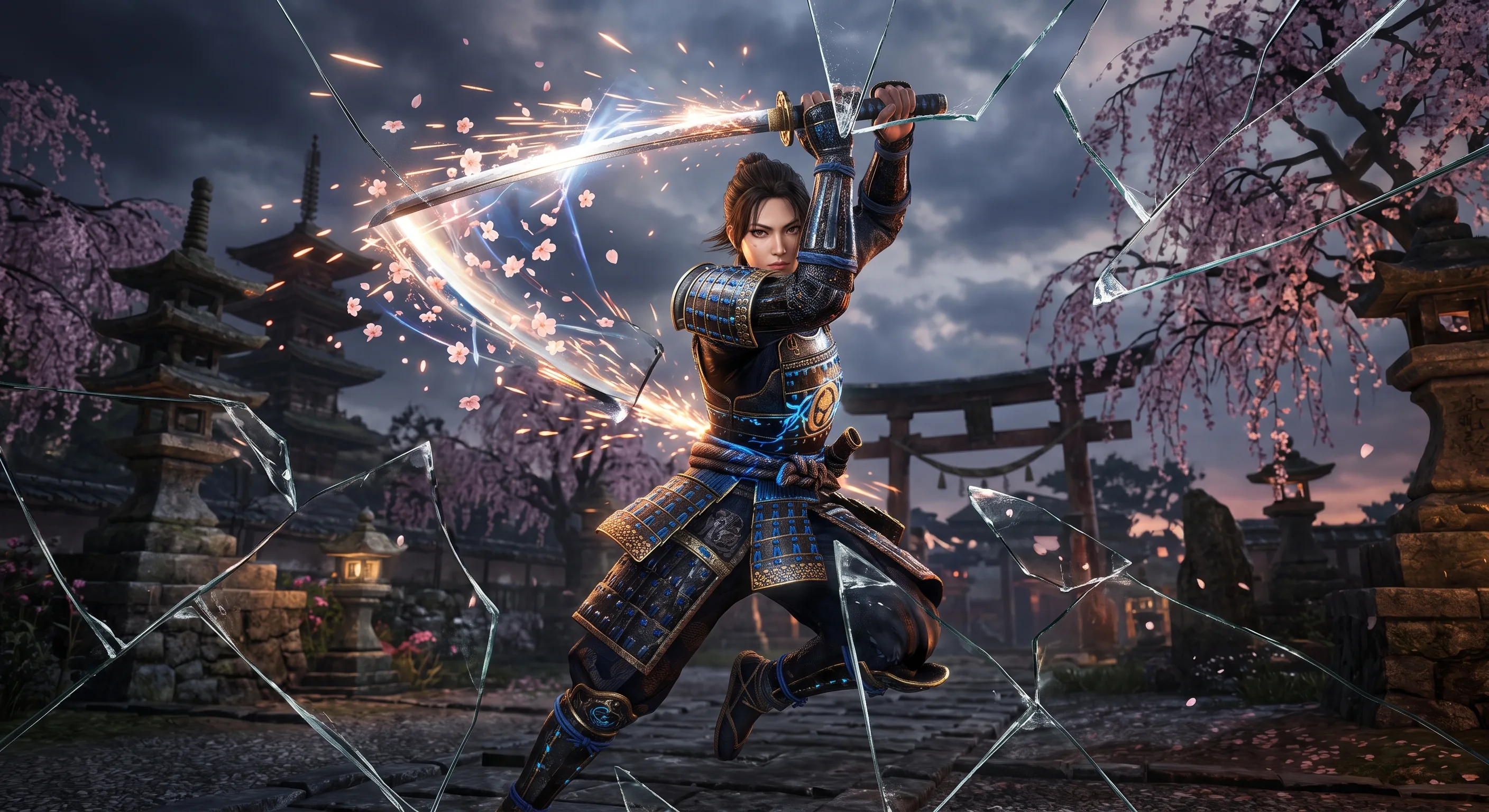
The blade work is the reason to play
The central positive is unusually specific. GamesRadar’s review calls out tight combat even while finding the broader game uneven. IGN’s current review, syndicated by Yahoo, likewise makes the exchange of moves and counters the heart of its praise. These are not interchangeable compliments about “good gameplay.” They point to an action system where attention, timing, and commitment are meant to produce the satisfying moment.
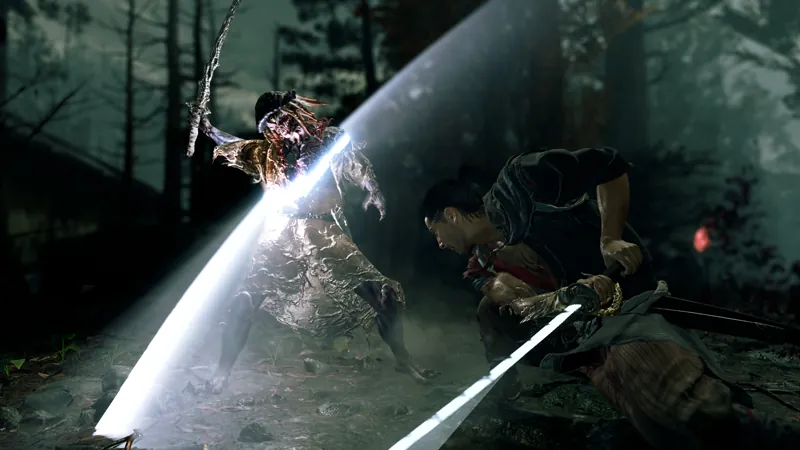
Image credit: Capcom — Onimusha: Way of the Sword
That makes Way of the Sword easier to place for PC players. It is not being praised because it borrows the outline of contemporary action games; it is being praised for giving defensive decisions and offense a clear relationship. A fight has more value when the player can understand why a failed exchange failed, then alter the next one. That is a better foundation for replayable action than spectacle alone.
The boss emphasis strengthens that case. IGN’s review highlights the variety and scale of the major fights, while its broader praise connects those encounters to the game’s animation and character work. The result, according to the available critical record, is not merely a string of technical challenges. It is a campaign whose most memorable moments come when mechanics, staging, and personality meet.
Musashi gives the revival more than a combat loop
A returning series can lean too hard on recognition. Onimusha: Way of the Sword appears to avoid that problem by making its lead part of the appeal rather than a familiar nameplate. IGN’s review specifically praises Musashi, the cast, voice performances, and animation. That is important because action games often ask combat to compensate for a thin reason to move from one arena to the next.
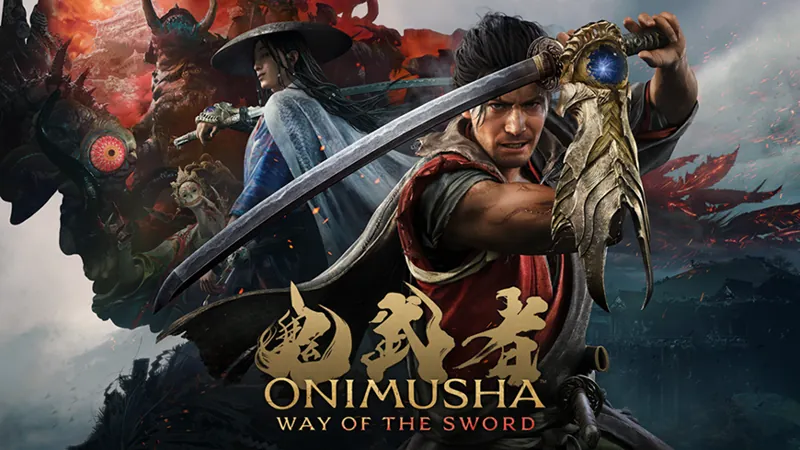
Image credit: Capcom — Onimusha: Way of the Sword
There is still a limit to what can be claimed here without GoldCrit testing. The available evidence supports that the presentation gives the journey personality; it does not establish that every story beat will land for every player. The safer conclusion is that the character work makes the game more approachable for someone new to Onimusha, not that it guarantees a universally great narrative.
That distinction also keeps the buying advice practical. If a player only wants the cleanest possible combat challenge, the characterization is a bonus. If they need an action campaign with a defined protagonist and a dramatic setting, it is part of the evidence that the revival is doing more than reissuing an old structure.
The campaign is less consistently focused
The strongest reservation comes from GamesRadar, which describes the game as inconsistent and argues that less directed town movement disrupts the flow established by its more curated missions. That is an attributed criticism, not a consensus claim: the accessible IGN review does not frame its praise in the same terms.
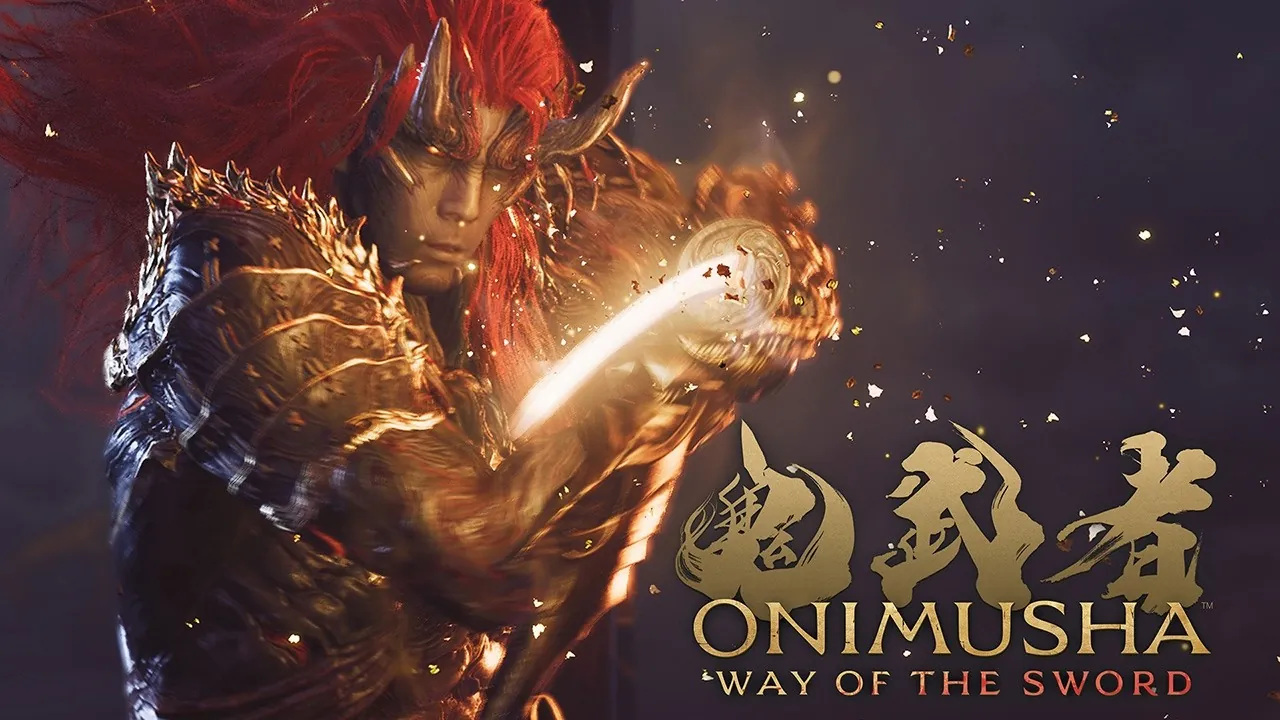
Image credit: Capcom Europe — Onimusha: Way of the Sword trailer
Still, it is a valuable warning because it concerns the relationship between the game’s best system and the time required to reach it. A player who is happy to explore, collect upgrades, and move through quieter spaces may find the rhythm acceptable. A player who wants a compact, mission-to-mission action game should expect the pace to loosen outside the major encounters.
This does not overturn the case for the game. It does explain why a recommendation should be aimed at the right audience. The available evidence says the swordplay is not just a bright spot; it is the standard the rest of the campaign has to meet. When that standard is met, the game sounds exceptional. When it is not, the contrast is more visible than it would be in a game with merely adequate combat.
Who should put it on their PC shortlist?
Choose Onimusha: Way of the Sword if you value learning a combat system, enjoy boss fights that reward attention, and want a self-contained action campaign with a strong central character. Its most persuasive feature is not the franchise history or the scale of the production. It is the chance to become more deliberate in the fights, then see that understanding pay off.
Wait for more PC-specific technical reporting if flawless performance is the deciding factor. This evaluation does not claim a GoldCrit PC performance test, so it cannot certify frame rate, settings behavior, controller support, or Steam Deck performance. Check the live Steam page and current official notices before treating any platform detail as settled.
The better question is not whether every hour matches the best duel. It likely does not. The question is whether the high points are strong enough to make the uneven stretches worth crossing. For players drawn to precise sword action, the available evidence says yes.
Final assessment
Review Verdict
Onimusha: Way of the Sword earns its recommendation through exceptional combat, bosses, and characterful presentation, provided you can accept a campaign whose momentum is not always as sharp as its duels.
GoldCrit Score
The Good
- Deliberate sword exchanges give players a clear reason to learn the full combat toolkit.
- Boss fights turn that learning into memorable, high-stakes set pieces.
- Musashi and the presentation give the revival a personality beyond its combat systems.
The Bad
- GamesRadar reports that town-running and less curated stretches can blunt the pace between major fights.
- This is not a GoldCrit PC performance test, so players who prioritize technical certainty should wait for targeted platform reporting.
Independent current reviews agree that the action systems and high-stakes duels are the game's defining strength.
Current criticism highlights creatively staged, mechanically demanding fights as a key reason to play.
IGN credits Musashi, the supporting cast, acting, and animation with giving the journey real personality.
GamesRadar reports that town-running and less curated stretches can interrupt the action's flow; this remains an attributed reservation.