The Blood of Dawnwalker is a worthwhile action RPG for players who want choices to have a cost. Its most distinctive idea is not simply that Coen has thirty days to save his family. It is that important actions consume time in measured pieces, turning the familiar urge to clear every quest into a real decision. The available review record points to an ambitious vampire fantasy with strong writing, a memorable setting, and a system that gives attention to consequence—alongside uneven combat, repetition, and technical concerns that keep it from feeling consistently great.
That makes the buying advice clear. Choose it if you want a story-led RPG that asks you to prioritize rather than exhaust a map. Wait if you want an immaculate open world, frictionless combat, or a game where every side activity can be completed without pressure. The clock is the reason to play, but it also makes the game less universal than its gothic premise suggests.
Rebel Wolves and Bandai Namco released The Blood of Dawnwalker for PC, PlayStation 5, and Xbox Series X|S on September 3, 2026. The official Steam listing describes a single-player, open-world dark-fantasy action RPG set in 14th-century Europe; it also lists a 64-bit Windows install, 16 GB of RAM, and 60 GB of SSD storage for PC. Those facts establish the PC offer. They do not decide whether the game’s central trade-off works. The critical evidence does.
The clock turns a vampire fantasy into a game about priorities
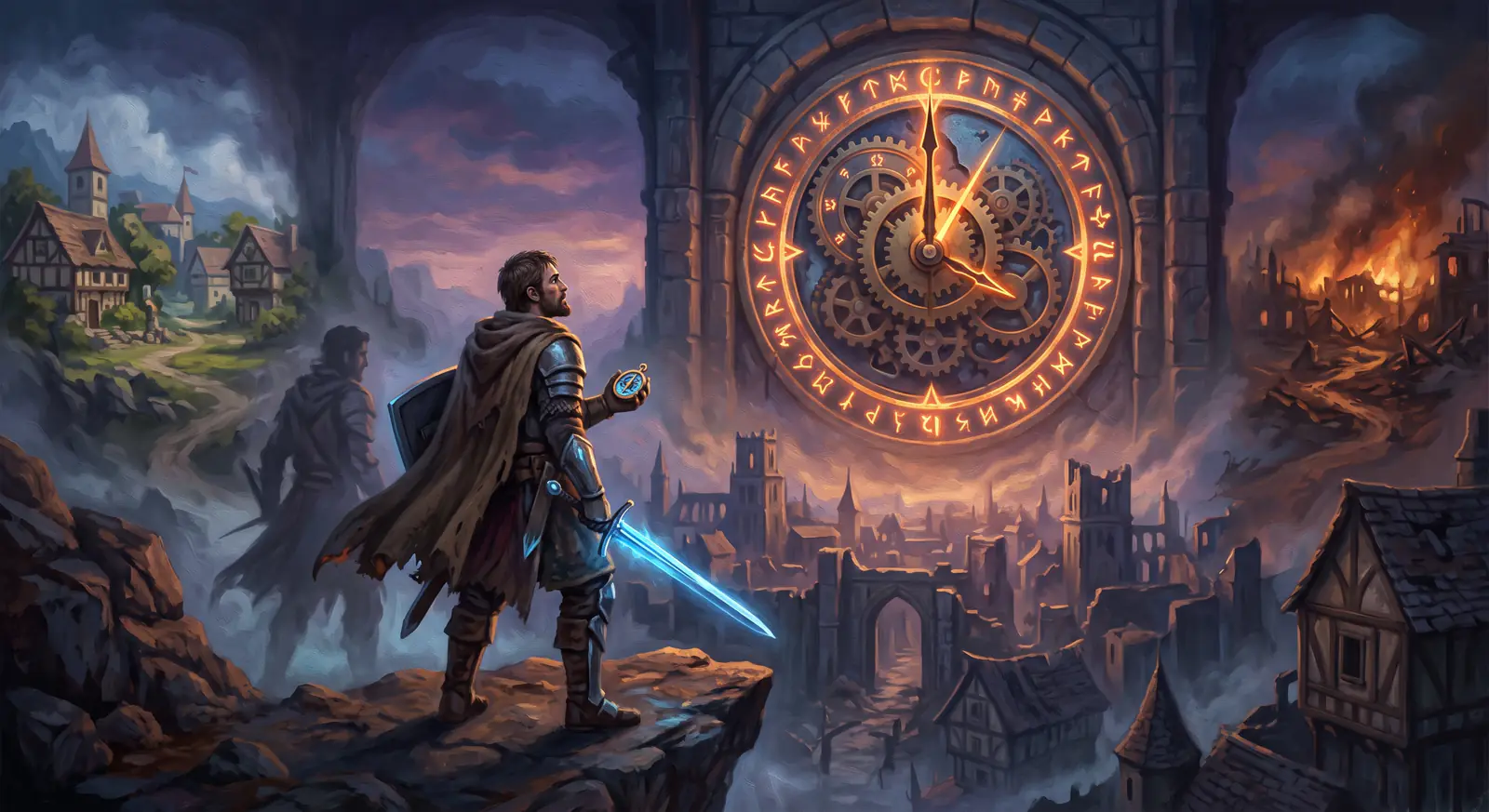
The strongest shared point is that time is not a decorative deadline. GameSpot’s reporting on the design explains that quests and important conversations move the thirty-day story forward, while exploration itself does not automatically spend time. IGN’s hands-on preview identified the day-and-night split, exploration, and choices as key parts of the game’s appeal before release. Current commentary from GamesRadar likewise stresses that the limit does not require a panicked rush.
That distinction matters for player fit. A visible timer can make an RPG feel like homework when it only punishes curiosity. Dawnwalker’s structure appears more deliberate: the cost is attached to consequential commitments. When a game asks whether to pursue a lead, invest in an ability, or take on a quest, it can make the player’s route feel authored by their priorities rather than by a checklist.
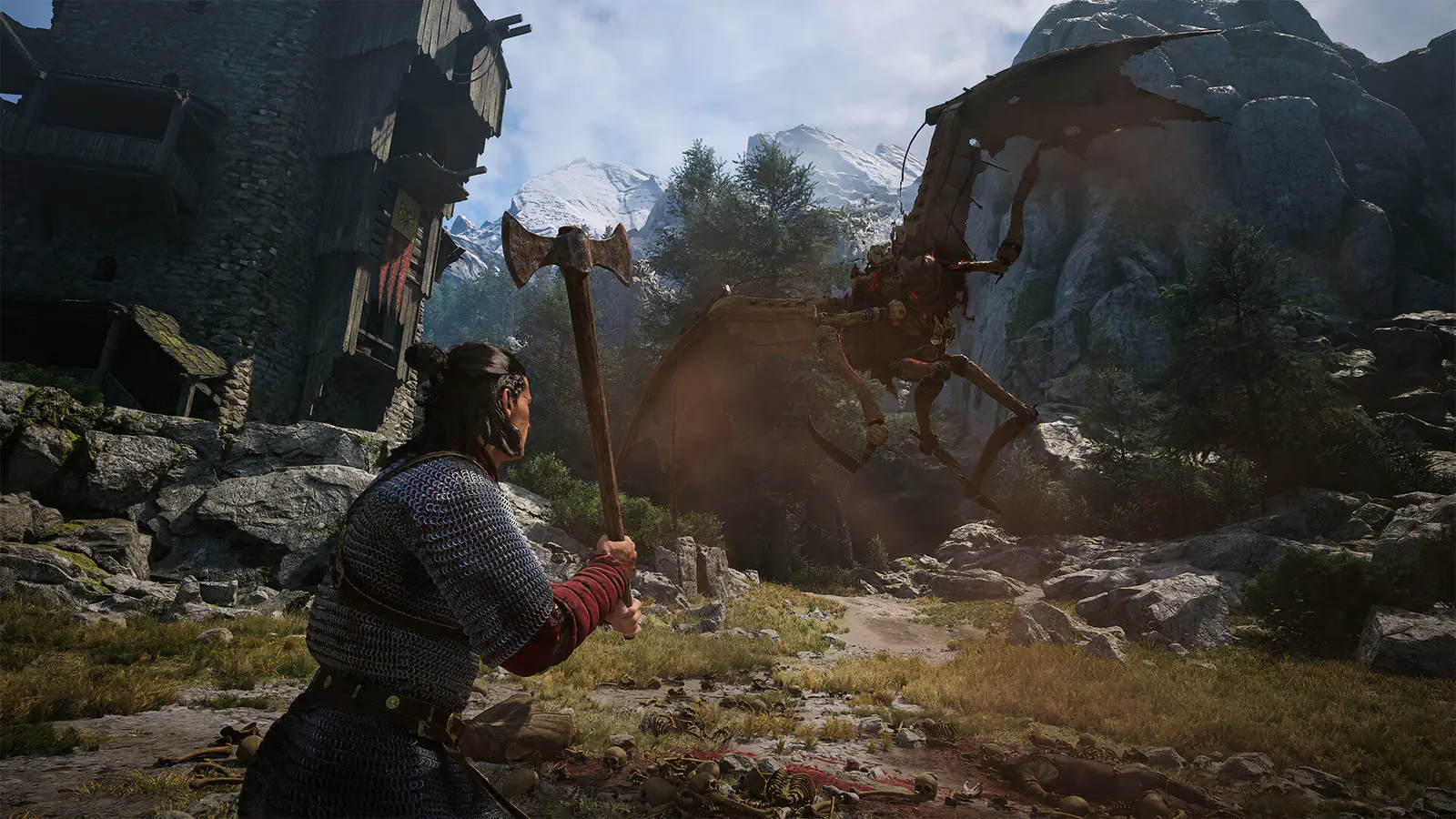
Image credit: Rebel Wolves — The Blood of Dawnwalker (Steam)
The day-and-night premise helps the system carry a clear fantasy. GameSpot’s overview of the official gameplay deep dive describes Coen’s human daylight approach and his nighttime vampire powers as different ways to tackle a situation. That gives the calendar more purpose than a simple fail state: the question is not just what the player can finish, but which version of Coen they want to rely on when the next opportunity arrives.
Its world and writing give those decisions weight
The game needed more than a clever timer. GameSpot’s review identifies the game as Rebel Wolves’ action-RPG debut on PC and consoles, while GamesRadar’s review roundup credits the game’s combat and worldbuilding even as it flags its problems. IGN’s published review, syndicated by Yahoo, especially praises its vampire fiction, story-driven structure, and the way its systems work around the fantasy’s constraints.
That is a meaningful foundation for an RPG with hard choices. A deadline only has dramatic force when the people, places, and outcomes on the other side feel worth considering. The evidence supports a setting with enough atmosphere and character work to make choosing a path feel like more than rearranging mission icons.
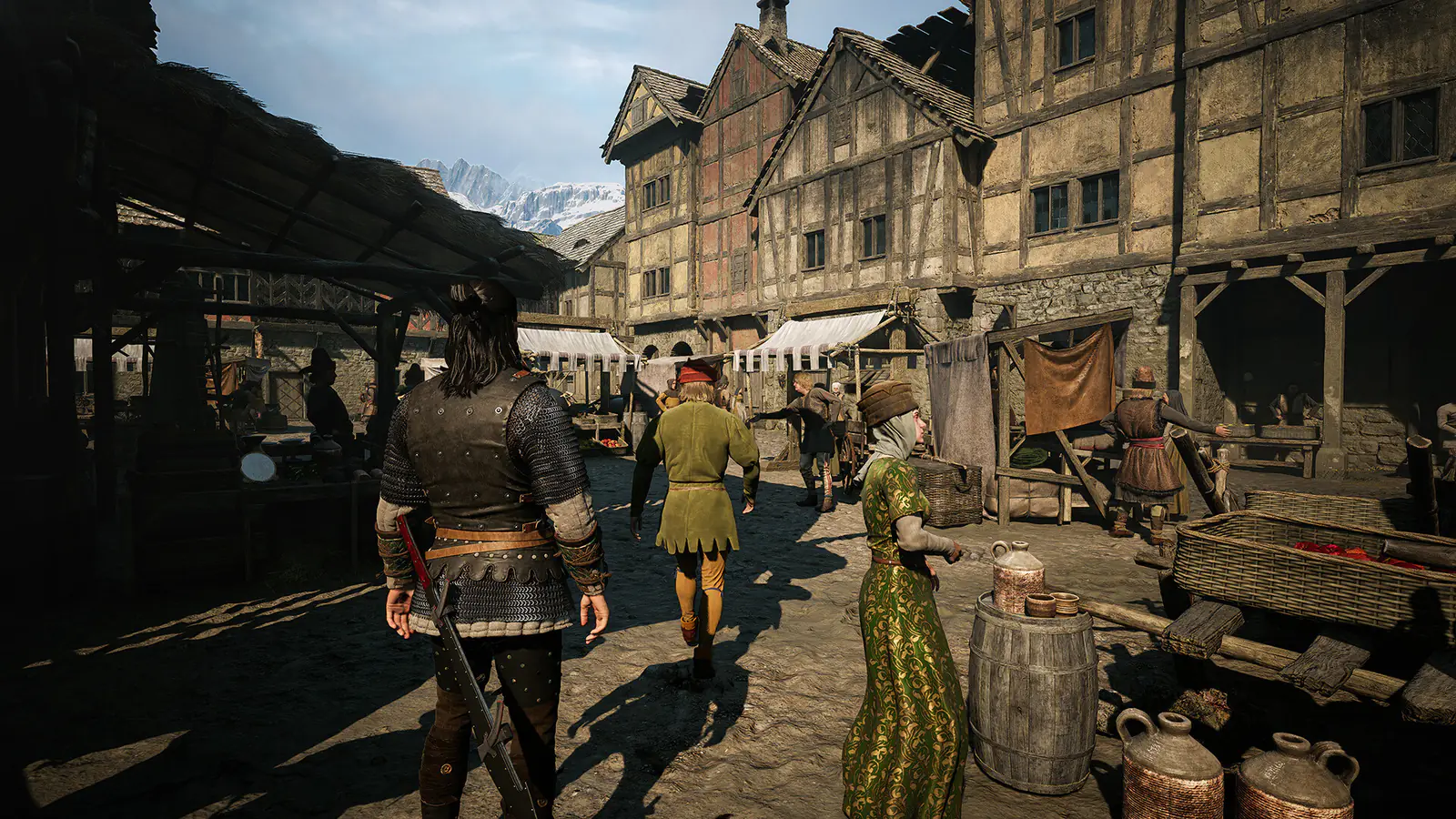
Image credit: Rebel Wolves — The Blood of Dawnwalker (Steam)
The town image also illustrates the game’s broader promise: a lived-in valley where the route through its problems matters. For a player deciding between this and a more conventional open-world RPG, that emphasis is the differentiator. If your next purchase needs a game that lets you see every marker at your own pace, use the three-game Steam backlog shortlist first. Dawnwalker is better suited to players who enjoy accepting that a choice closes another door.
Ambition does not erase the uneven parts
The reservation is not one outlet’s score. GamesRadar’s review reports odd pacing and repetitive quest design despite its praise for combat and worldbuilding. Its later coverage also describes stealth as less successful than the more fluid vampire abilities. GameSpot’s assessment, as summarized in GamesRadar’s review roundup, praises the writing and combat while noting technical issues and a less distinct separation between the human and vampire sides.
Those are related warnings because they affect the value of the game’s central premise. A structured deadline is compelling when each choice reveals a satisfying response. It becomes harder to recommend without qualification when repeated activities, rough systems, or technical friction make the time spent feel less purposeful. GoldCrit’s conclusion is that the idea succeeds often enough to recommend the game, but not consistently enough to call it a must-play for every RPG fan.
This is also where PC buyers should stay practical. The Steam page provides the current official requirements, but this evaluation is not a GoldCrit PC performance test. It cannot certify frame-rate behavior, settings scalability, or handheld performance. Check the live listing and official updates before making those factors the deciding reason to buy.
Who should take the risk on Vale Sangora?
The Blood of Dawnwalker is best for players who like an RPG to push back a little. The combat and vampire fantasy have appeal, but the game’s real identity is the tension between curiosity and commitment. That makes it a stronger fit for someone who values a consequential route through a story than for someone seeking a spotless action sandbox.
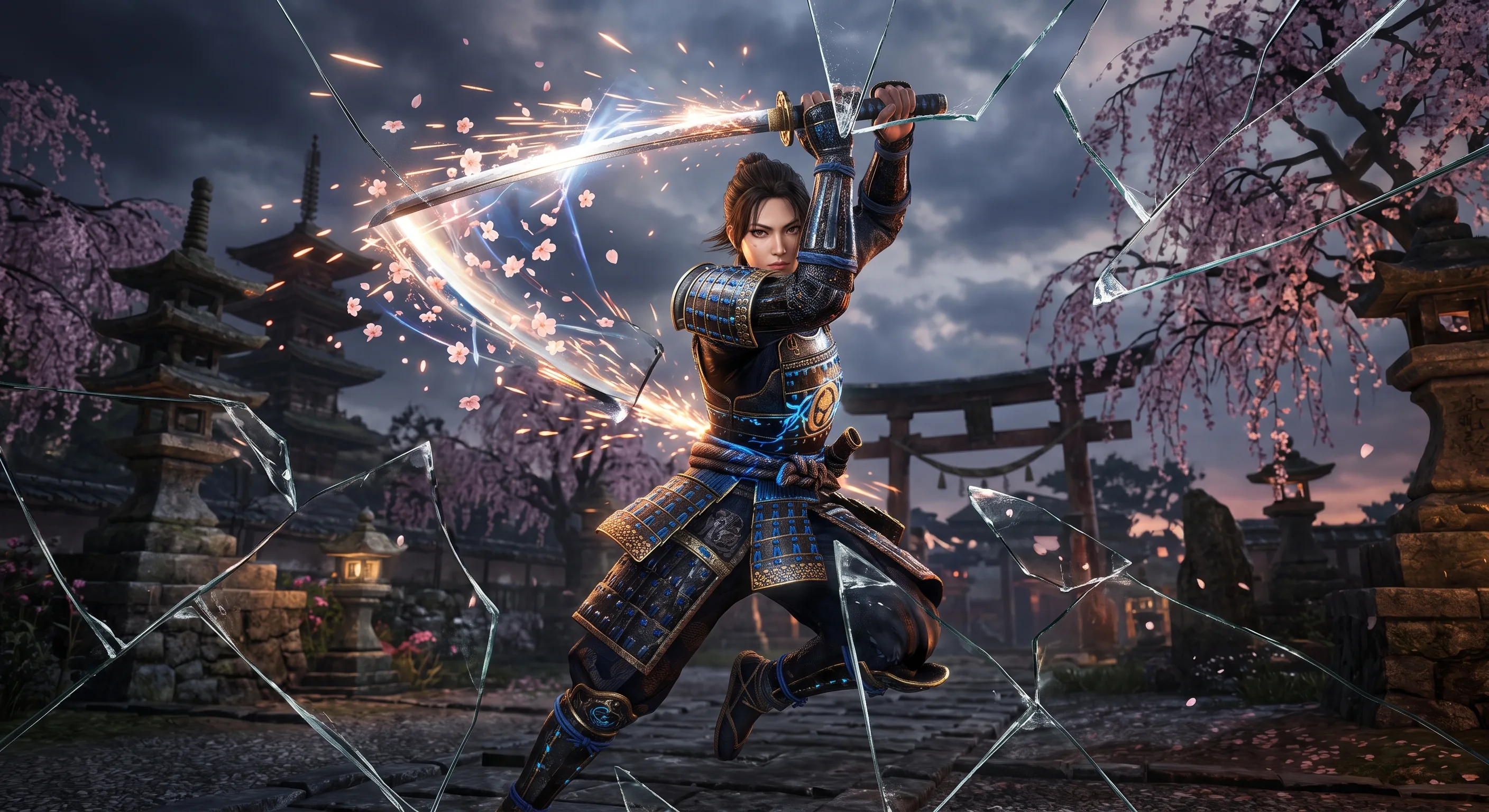
For another recent action-game comparison, GoldCrit’s Onimusha: Way of the Sword review is useful: its case rests on mastering duels, while Dawnwalker’s case rests on deciding what deserves your limited time. Both reward intention, but they ask for it in very different ways.
The final answer is positive with an important condition. The clock makes every meaningful choice matter because it makes the player give something up. That is a rare and valuable RPG idea. The uneven execution means it will not be for everyone, but players ready to live with the pressure will find a dark fantasy that has something genuinely different to say.
Final assessment
Review Verdict
The Blood of Dawnwalker makes its 30-day clock a compelling source of consequence, rewarding players who value a pressured, story-led RPG more than a frictionless open-world routine.
GoldCrit Score
The Good
- The 30-day structure makes major quests and upgrades feel like real player choices.
- The vampire day-and-night fantasy gives Coen different ways to approach the valley.
- Current criticism supports the strength of the world, writing, and story-led atmosphere.
The Bad
- GamesRadar reports that repetitive quests and uneven pacing can weaken the sense of momentum.
- Stealth and the distinction between human and vampire play do not appear equally convincing across the critical record.
- Technical concerns are reported, while targeted GoldCrit PC performance testing is not available.
Multiple current sources identify the 30-day structure and consequential commitments as the game’s defining strength.
Independent criticism supports the setting, writing, and story-led vampire fantasy as major reasons to engage.
Combat earns praise, but critical coverage raises limits around stealth and the contrast between human and vampire play.
Reported repetition, uneven pacing, and technical concerns make the experience less reliably satisfying than its best ideas.